
Solar Control Glass
Stay Cool, Save Energy - Reflect the Sun, Embrace the Light

Solar control glass reduces heat gain while allowing natural light in, lowering cooling costs and enhancing energy efficiency. Its advanced coatings reflect solar radiation, creating a comfortable indoor space while maintaining architectural aesthetics.
- High Solar Reflectivity – Minimises heat gain, optimising indoor temperature.
- Low Emissivity – Improves thermal insulation and energy performance.
- UV Protection – Blocks harmful UV rays, preventing interior fading.
- Aesthetic Flexibility – Available in various tints for design customisation.
Performance Metrics for Solar Control Glass
| Performance Metric | Description | Typical Value |
|---|---|---|
| U-value (Thermal Insulation Efficiency) | Heat transfer efficiency | 3.6 - 5.7 W/m²K |
| Solar Heat Gain Coefficient (SHGC) | Solar radiation admitted | 0.15 - 0.67 |
| Visible Light Transmittance (VLT) | Light penetration | 5% - 67% (varies by coating type) |
- Thickness: 4mm – 12mm, catering to different applications
- Colours: Clear, bronze, grey, and other tints for design versatility.
- Coating Options: Advanced coatings for optimal solar and thermal control.
- Commercial and residential buildings require energy-efficient glazing.
- Automotive glazing for temperature regulation and UV protection.
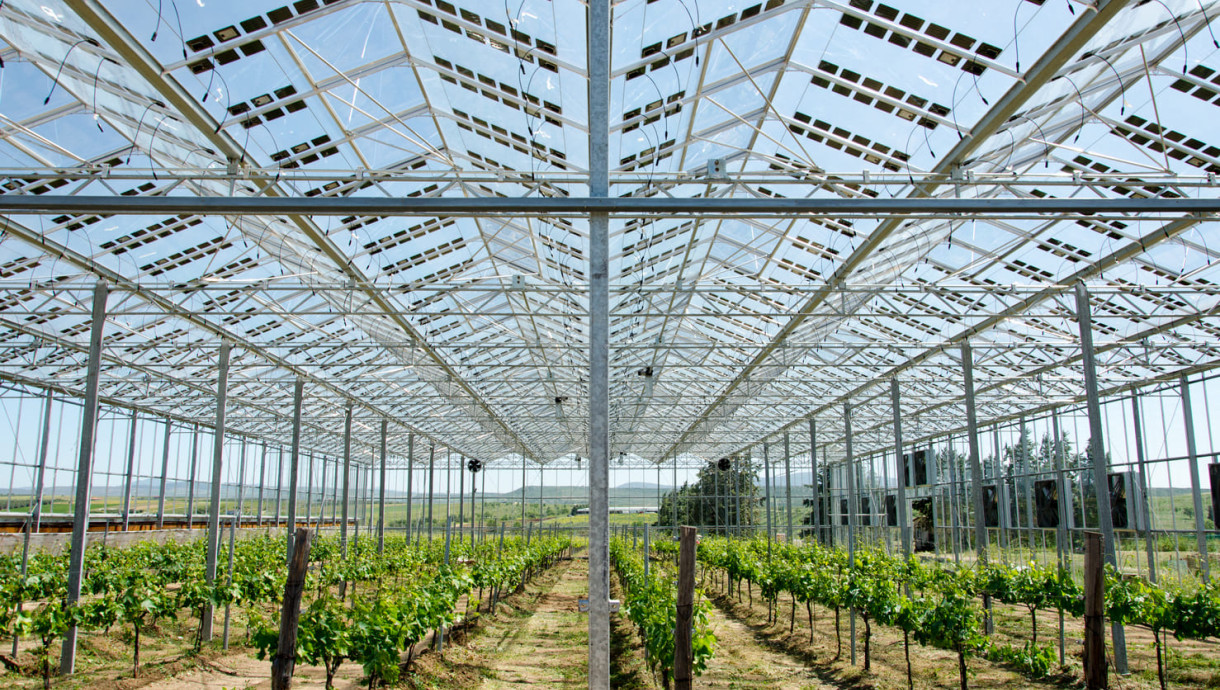
- Conservatories and greenhouses to control heat and light levels.
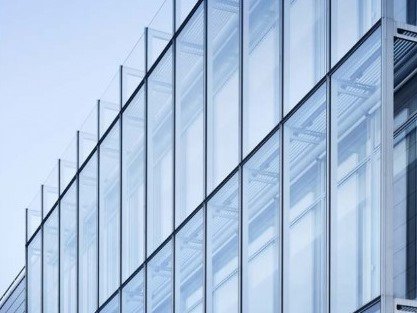
- Facades, curtain walls, and skylights for architectural and functional benefits.
How Solar Control Glass Contributes to OTTV?
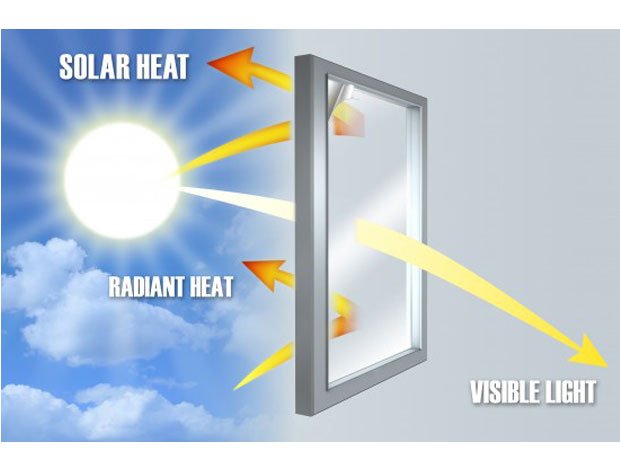
Solar radiation through glass is the biggest factor in OTTV (Overall Thermal Transfer Value), which is mainly used in tropical countries, accounting for 70%–85% of the heat load. By using solar control glass, buildings can reduce cooling energy consumption while maintaining brightness.